What is the Best Type of Diet for Effective and Sustainable Weight Loss?
What is the Best Type of Diet for Effective and Sustainable Weight Loss?
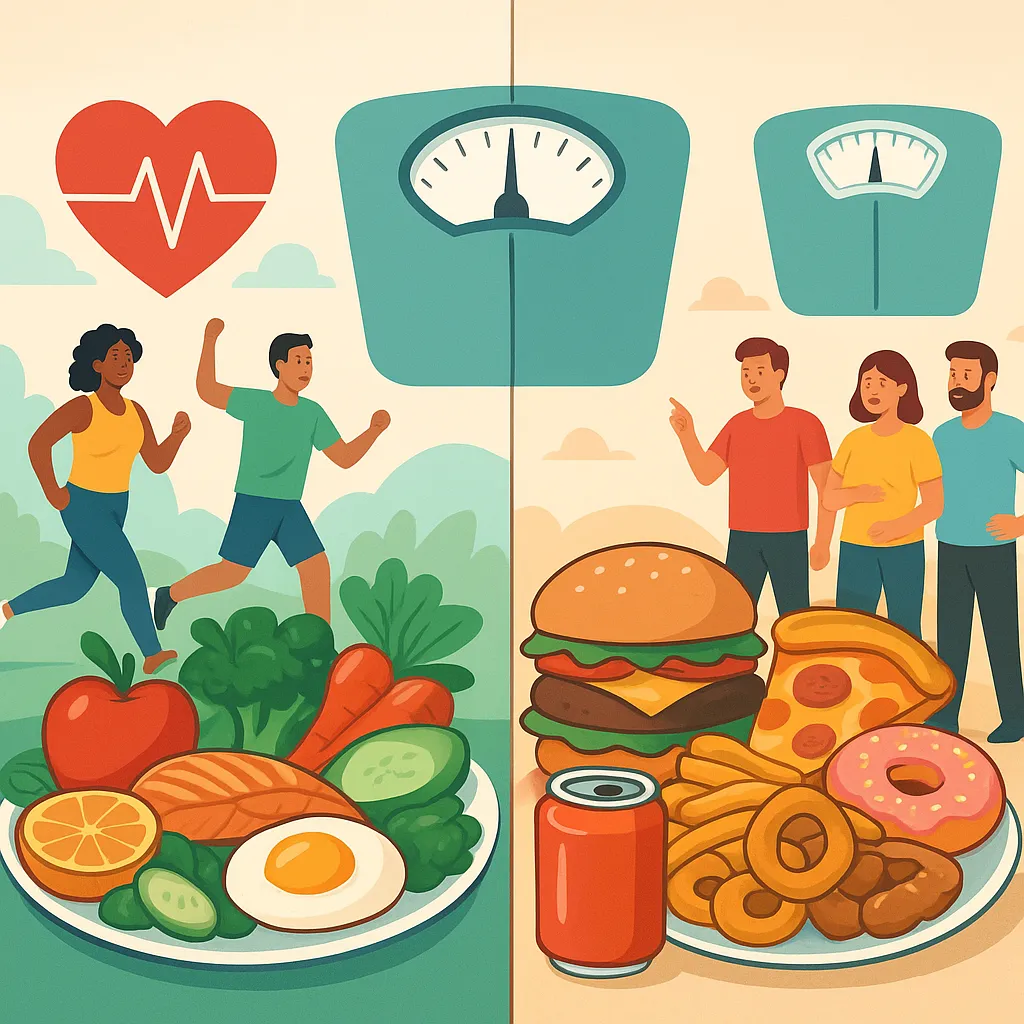
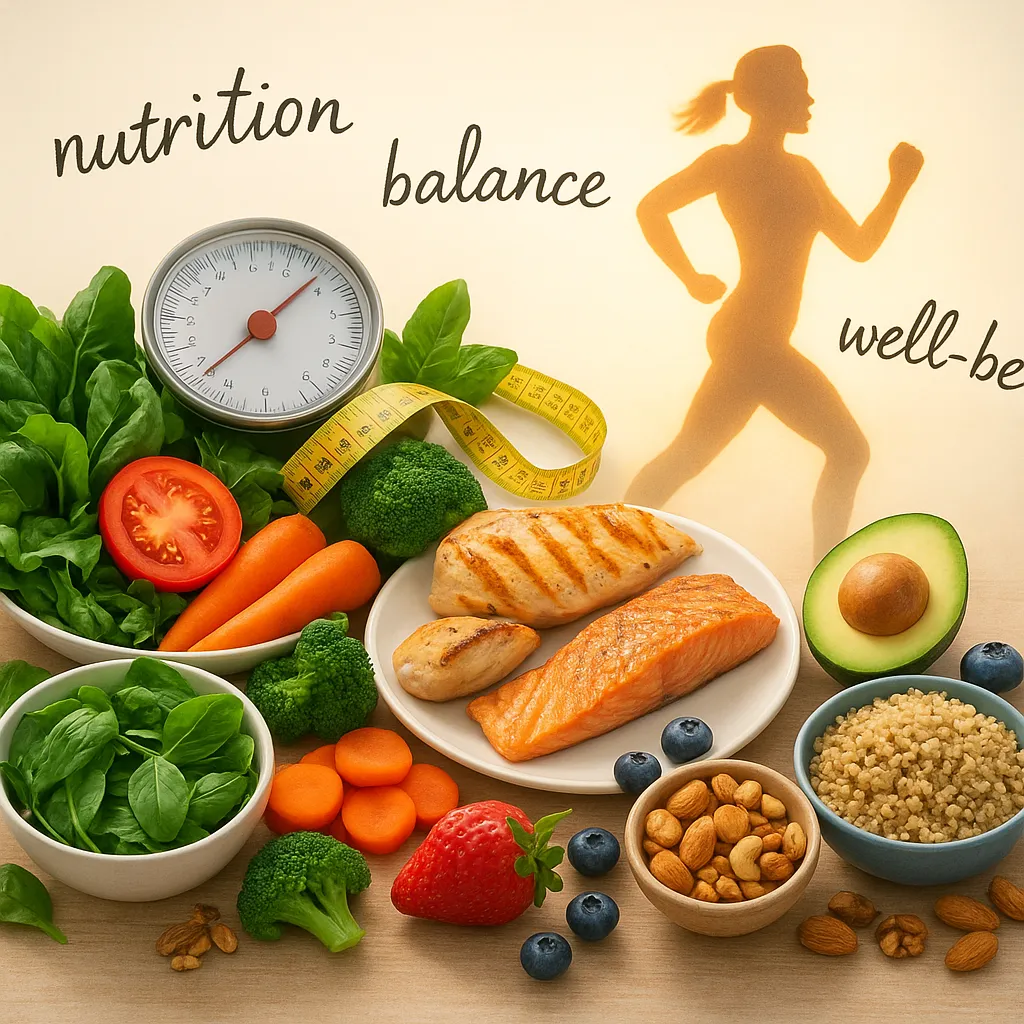
The best diet for effective and sustainable weight loss is a balanced, calorie-controlled eating plan that you can consistently maintain over time. Diets emphasizing whole foods—such as fruits, vegetables, lean proteins, whole grains, and healthy fats—combined with portion control and regular physical activity, support both effective weight loss and long-term health. Instead of focusing on fad diets or quick fixes, choosing an approach that fits your lifestyle and nutritional needs leads to lasting results.
What is a Sustainable Weight Loss Diet?
Definition:
A sustainable weight loss diet is an eating pattern that safely reduces body weight, is maintainable in the long term, meets nutritional needs, and supports overall health and wellness.
How Do Different Types of Diets Affect Weight Loss?
People often ask, “What diet helps you lose weight and keep it off?” or “Is there a single best diet for sustainable weight loss?” The reality is that various eating patterns can be effective, but lasting weight loss typically depends on adopting habits you can stick with, not just rapid results.
Common Weight Loss Diet Types Explained
Mediterranean Diet: Emphasizes plant-based foods, healthy fats like olive oil, lean proteins, and moderate wine intake.
DASH Diet: Focuses on fruits, vegetables, whole grains, and low-fat dairy to lower blood pressure and support weight loss.
Low-Carb Diets: Limit carbohydrate intake and often prioritize protein and healthy fats (examples: Keto, Atkins).
Plant-Based Diets: Centered around vegetables, fruits, legumes, whole grains, and minimize or exclude animal products.
Calorie-Counting Diets: Involve tracking calories to maintain a calorie deficit, regardless of specific food choices.
Intermittent Fasting: Alternates fasting periods with eating windows, potentially reducing overall calorie intake.
Popular Diets for Weight Loss: Key Features and Sustainability
Diet Type
Main Features
Sustainability
Health Benefits
Mediterranean
High in plants, whole grains, healthy fats
High
Supports heart health, reduces chronic disease risk
DASH
Low salt, rich in produce and grains
High
Lowers blood pressure, balanced nutrition
Low-Carb
Reduces carbohydrates
Moderate
Quick initial weight loss, manage blood sugar
Plant-Based
Emphasizes plant foods
High (with planning)
Reduces chronic disease risk
Calorie Counting
Tracks calorie intake
Varies
Flexible, customizable
Intermittent Fasting
Cycles of eating and fasting
Varies
May improve metabolism
Which Weight Loss Diet Has the Most Research Support?
Among the many diets studied, Mediterranean and DASH diets are consistently linked to healthy and sustainable weight management, as well as reduced risk of heart disease and diabetes. Both approaches focus on nutrient-dense, less-processed foods and moderate portions, aligning with guidance from entities like the American Heart Association and World Health Organization.
What Makes a Weight Loss Diet Effective?
Calorie Deficit: Weight loss requires consuming fewer calories than you burn.
Nutrient Density: Choosing foods high in vitamins, minerals, and fiber keeps you full and healthy.
Personalization: Diets work best when tailored to preferences, medical needs, lifestyle, and culture.
Sustainability: Long-term habits trump short-term restrictions or extreme measures.
Physical Activity: Regular movement supports fat loss while conserving muscle mass.
Entity Connections:
Sustainable weight loss involves concepts like caloric balance, macronutrient ratios, behavioral change, physical activity, long-term adherence, and nutrition science. Key organizations that give guidelines include the Centers for Disease Control (CDC), American Heart Association (AHA), and Academy of Nutrition and Dietetics.
What Diet is Easiest to Stick To for Most People?
The best diet is one that blends evidence-based nutrition with foods and patterns you genuinely enjoy and can maintain: there’s no one-size-fits-all answer. Research shows that personal preference, flexibility, and social support are major factors for long-term success.
Tips for Choosing a Sustainable and Effective Diet
Prioritize minimally processed foods
Set realistic, measurable goals
Include foods you love for satisfaction
Allow for flexibility and treats
Track your progress, but be patient
Consider working with a registered dietitian for personalization
How Can I Lose Weight and Keep It Off?
Consistency, patience, and a focus on holistic health are essential. Combining balanced nutrition, physical activity, sufficient sleep, and behavioral changes leads to sustainable results. Strict or restrictive diets may provide quick results, but are harder to maintain and can harm your long-term well-being.
5 Steps to Effective and Sustainable Weight Loss
Choose an eating plan rich in vegetables, fruits, lean protein, and whole grains
Control portions and avoid liquid calories
Move regularly—aim for at least 150 minutes of moderate activity weekly
Get enough sleep and manage stress
Monitor progress and adapt—not punish—your routine when achieving plateaus
What About Fad Diets and Quick Fixes?
Popular fads—like juice cleanses, extreme low-carb, or grape-fruit only diets—promise fast results, but rarely deliver sustainable fat loss. These diets often neglect important nutrients, can cause yo-yo weight fluctuation, and may even risk your health.
Key Principles of Sustainable Weight Loss Diets
Moderation, not deprivation
Whole foods over heavily processed options
Variety and flexibility
Aim for improvements, not perfection
Frequently Asked Questions About Sustainable Weight Loss Diets
1. What is the healthiest diet for long-term weight loss?
The Mediterranean and DASH diets are routinely ranked highest for long-term weight management and overall health, thanks to their focus on whole foods, variety, and balance.
2. Do low-carb or keto diets work for sustainable weight loss?
Low-carb and keto diets can lead to initial fast weight loss, but may be difficult to sustain for some people and can lack important nutrients if not planned carefully. Flexibility and long-term adherence are more critical than carb restriction alone.
3. Does intermittent fasting help with sustainable fat loss?
Intermittent fasting can support weight loss by helping some individuals reduce calorie intake, but its long-term sustainability and benefit vary. The best results come when it’s combined with nutrient-rich, balanced meals and fits personal lifestyle.
4. How important are physical activity and exercise?
Physical activity is essential for maintaining muscle mass, boosting metabolism, and supporting mental well-being during weight loss. The CDC and WHO recommend 150+ minutes of moderate exercise weekly for adults.
5. Is calorie counting necessary for weight loss?
Calorie awareness is helpful for many, but not everyone needs to track calories strictly. Focusing on portion sizes, hunger cues, and food quality can also be effective.
6. Can I lose weight without giving up my favorite foods?
Yes! Sustainable diets allow room for treats and occasions. The key is moderation, portion control, and balancing indulgent foods with nutrient-rich options.
7. Who should I consult for personalized diet advice?
For customized advice, consult a registered dietitian or healthcare provider, especially if you have underlying health conditions or unique dietary needs.
Key Takeaway: The Best Diet is One You Can Sustain
The most effective and sustainable weight loss diet is one rooted in balanced nutrition, moderation, enjoyment, and lasting lifestyle habits. Remember—no single diet suits everyone. Find an approach that meets your nutrition needs, supports your well-being, and is realistic for your life.
“`