How Does Changing Your Diet Help With Weight Loss and Managing Your Overall Weight?
How Does Changing Your Diet Help With Weight Loss and Managing Your Overall Weight?
Changing your diet helps with weight loss and weight management by reducing overall calorie intake and improving the quality of the nutrients you consume. By making healthier food choices and adjusting portion sizes, you can create a calorie deficit and support your body’s metabolism, which leads to sustainable weight loss and easier long-term weight control.
What Does It Mean to Change Your Diet for Weight Loss?
Definition: Changing your diet for weight loss means modifying what and how much you eat to reduce calorie intake or improve nutrition, leading to a healthier body weight.
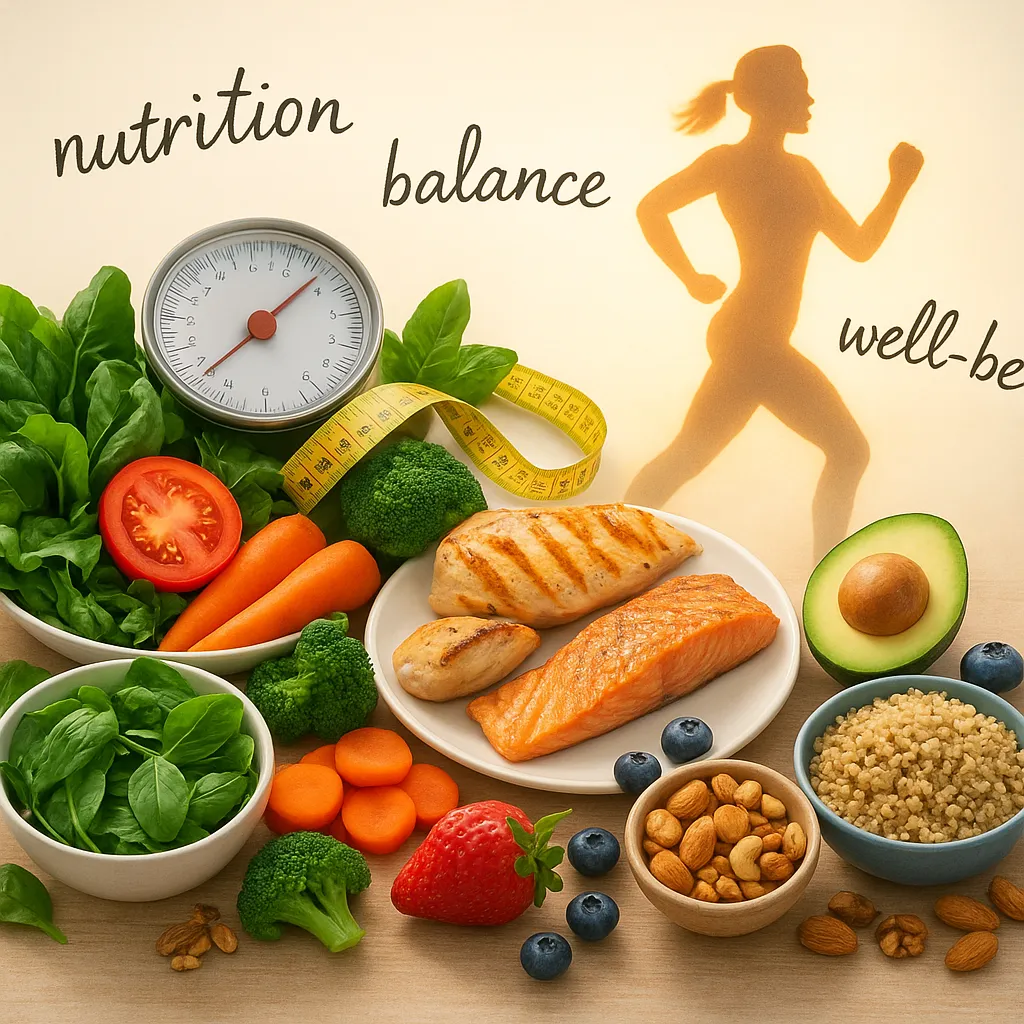
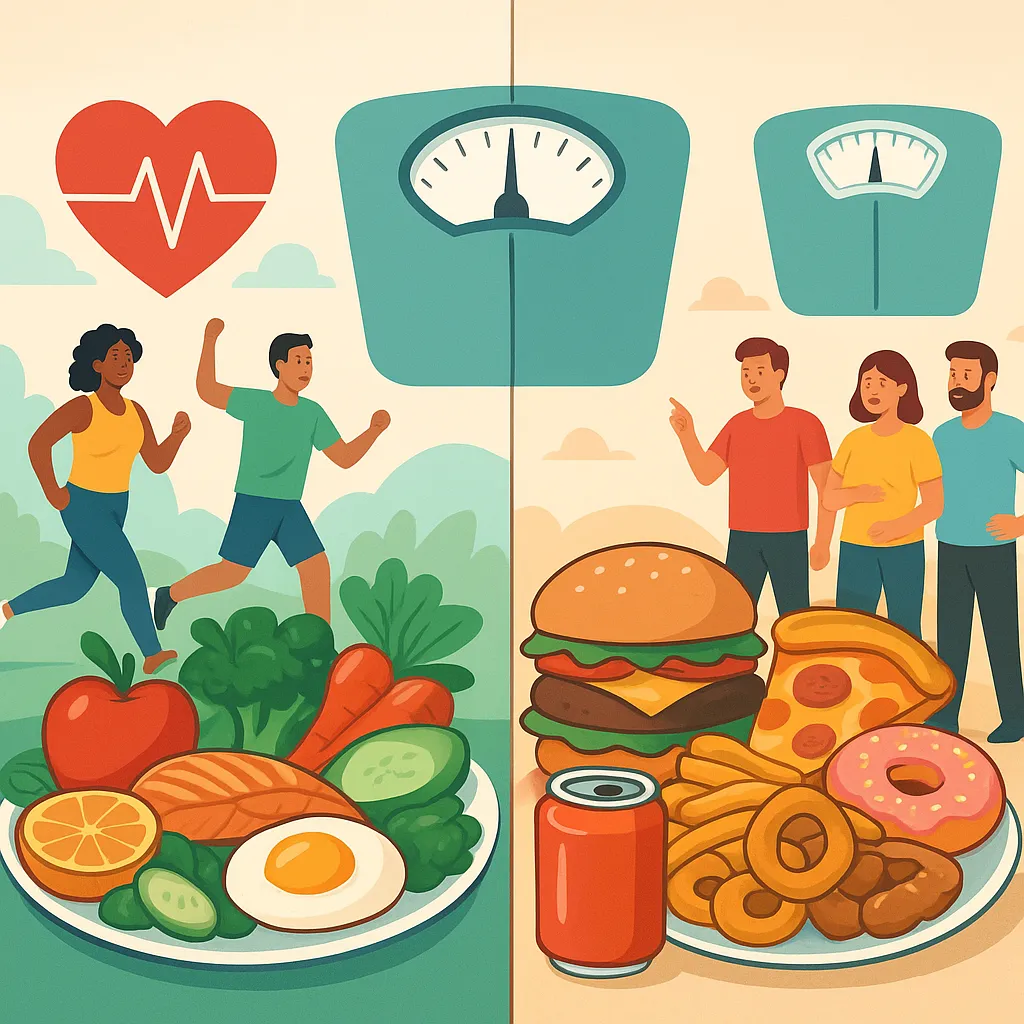
Diet changes can involve eating more nutrient-dense foods like fruits, vegetables, lean proteins, and whole grains, and decreasing the amount of processed foods, added sugars, and unhealthy fats. This not only helps you lose weight but also supports your overall health, reducing risks related to chronic diseases such as type 2 diabetes, heart disease, and metabolic syndrome.
Why Does Diet Matter More Than Exercise for Weight Loss?
While regular physical activity is important for health, research shows that changes in diet have a greater impact on weight loss than exercise alone. This is because it’s much easier to reduce a significant number of calories by changing eating habits than by workouts alone. For example, skipping a sugary soda saves more calories than a typical jogging session burns.
Activity
Calories Impacted (Approx.)
Eliminating one soda (12 oz)
−140 calories
Jogging (20 mins)
−120 calories
Replacing fast food meal with salad
−300 calories
How Does Changing Your Diet Affect Body Weight Scientifically?
Weight change primarily depends on the balance between calories consumed and calories burned, also known as “calorie balance.” When you eat fewer calories than your body uses (calorie deficit), your body turns to stored fat for energy, resulting in weight loss.
How Calorie Deficit Works
Calorie intake < Calorie expenditure: Body burns fat for energy, losing weight.
Calorie intake > Calorie expenditure: Excess calories are stored as fat, leading to weight gain.
What Are Nutrient-Dense Foods and Why Do They Matter?
Nutrient-dense foods are high in beneficial nutrients (vitamins, minerals, fiber, protein) and relatively low in calories. Eating more of these foods helps you feel fuller with fewer calories and ensures your body gets essential nutrients while you are losing weight.
Leafy greens (spinach, kale)
Fruits (berries, apples, oranges)
Legumes (beans, lentils)
Lean proteins (chicken breast, fish, tofu)
Whole grains (brown rice, quinoa, oats)
What Are the Most Effective Diet Changes for Weight Loss?
Here are practical, evidence-based diet changes that support weight loss:
Reduce processed carbohydrates and added sugars: Limit foods like pastries, sodas, and white bread.
Increase intake of vegetables and whole fruits: These are high in fiber and nutrients, promoting fullness.
Choose lean proteins: Include fish, poultry, tofu, or legumes to help maintain muscle mass during weight loss.
Watch portion sizes: Eating smaller portions helps control calorie intake without feeling deprived.
Drink more water: Sometimes thirst is mistaken for hunger.
Reduce high-calorie snacks: Replace chips or cookies with healthier alternatives like nuts or yogurt.
How Does Diet Change Support Long-Term Weight Management?
Long-term weight management is more successful when dietary changes are sustainable and tailored to your lifestyle. Fad diets often lead to short-term results, but healthy, consistent habits support maintenance. Examples include mindful eating, listening to hunger cues, and planning meals ahead.
How Do Meal Patterns and Timing Affect Weight?
Regular meal patterns help regulate appetite and prevent overeating. Some people find benefits in time-restricted eating (like intermittent fasting), but results vary individually.
Does Changing Diet Affect Your Metabolism?
Yes, your metabolism can adapt to changes in diet. For example, diets higher in protein require more energy for digestion, slightly boosting calorie burn. A healthy gut, which is influenced by fiber and fermented foods, also plays a role in how efficiently your body extracts energy from food.
Does Changing Diet Help Even Without Exercise?
Yes, you can lose weight through diet changes alone, as calorie intake has the greatest impact on weight. However, combining healthy eating with regular physical activity is best for overall health, preserving muscle mass, and boosting mood and energy.
What Are Common Mistakes When Changing Diet for Weight Loss?
Cutting calories too drastically: This can slow metabolism and reduce lean muscle.
Relying on fad or restrictive diets: Often unsustainable and may lead to nutrient deficiencies.
Not reading food labels: Hidden calories in sauces, dressings, or beverages can add up.
Skipping meals: This may lead to overeating later in the day.
Comparison: Popular Diet Approaches for Weight Loss
Diet Approach
Key Features
Effectiveness
Mediterranean Diet
High in fruits, vegetables, whole grains, olive oil
Promotes gradual, sustainable weight loss and improves heart health
Low-Carb Diet
Restricts carbohydrates, focuses on protein & fats
Can be effective for rapid weight loss, but may not suit everyone long-term
Plant-Based Diet
Emphasizes vegetables, legumes, whole grains, minimal animal products
Supports weight loss with high fiber & low calorie density
Can Diet Changes Help With Specific Conditions Related to Weight?
Yes, dietary changes can help manage and sometimes reverse conditions linked to excess weight, such as prediabetes, type 2 diabetes, high blood pressure (hypertension), high cholesterol, and fatty liver disease. Eating a heart-healthy diet and reducing excess weight lowers the risk and can improve symptoms.
What Are Alternative Ways People Ask About Diet and Weight Loss?
What changes in diet help the most for weight loss?
How does what I eat affect my weight?
Is it possible to lose weight by diet alone?
Why is healthy eating important for managing weight?
Can diet changes help prevent weight regain?
FAQ: Diet Changes and Weight Loss
1. Can you lose weight without giving up your favorite foods?
Yes, it’s possible. Focus on portion control, balance, and moderation rather than complete elimination. Treats can fit into a healthy eating plan when consumed occasionally.
2. How quickly will you see weight loss results after changing your diet?
Most people notice initial changes within 1-2 weeks. Sustainable weight loss is typically 0.5–2 pounds (0.2–0.9 kg) per week.
3. Is calorie counting necessary for weight loss?
Calorie counting is a useful tool for some, but focusing on food quality, hunger cues, and portion sizes can be equally or more effective for others.
4. What are the best foods to eat for losing weight?
Foods high in fiber (vegetables, legumes, whole grains), lean protein (chicken, fish, tofu), and water-rich foods (fruits, soups) are ideal for weight loss due to low calorie density and high satiety.
5. Will skipping meals help with weight loss?
Skipping meals is not recommended, as it can slow metabolism, cause overeating later, and lead to poor nutrition.
6. Can making small diet changes really make a difference?
Yes, even small adjustments (like switching sugary drinks for water or choosing whole grains over refined) can lead to meaningful weight reduction over time.
7. How do you avoid regaining weight after losing it?
Maintain healthy habits, plan meals, stay mindful of portions, and stay active. Periodic self-monitoring (weighing in, tracking food) helps prevent weight regain.
Summary: Key Takeaways on Diet and Weight Management
Changing your diet is the most effective way to achieve and maintain a healthy weight.
Focus on balanced, nutrient-dense foods and sustainable eating habits.
Dietary changes impact not only weight but overall health, reducing disease risk.
Make gradual and realistic changes for lasting results.
“`

Lorem Ipsum Dolor
Lorem Ipsum is Simply Dummy Text
Lorem Ipsum has been the industrys standard. Lorem Ipsum has been the industrys standard. Lorem Ipsum has been the industrys standard.