How Does Your Diet Affect Both Your Overall Health and Oral Health?
How Does Your Diet Affect Both Your Overall Health and Oral Health?
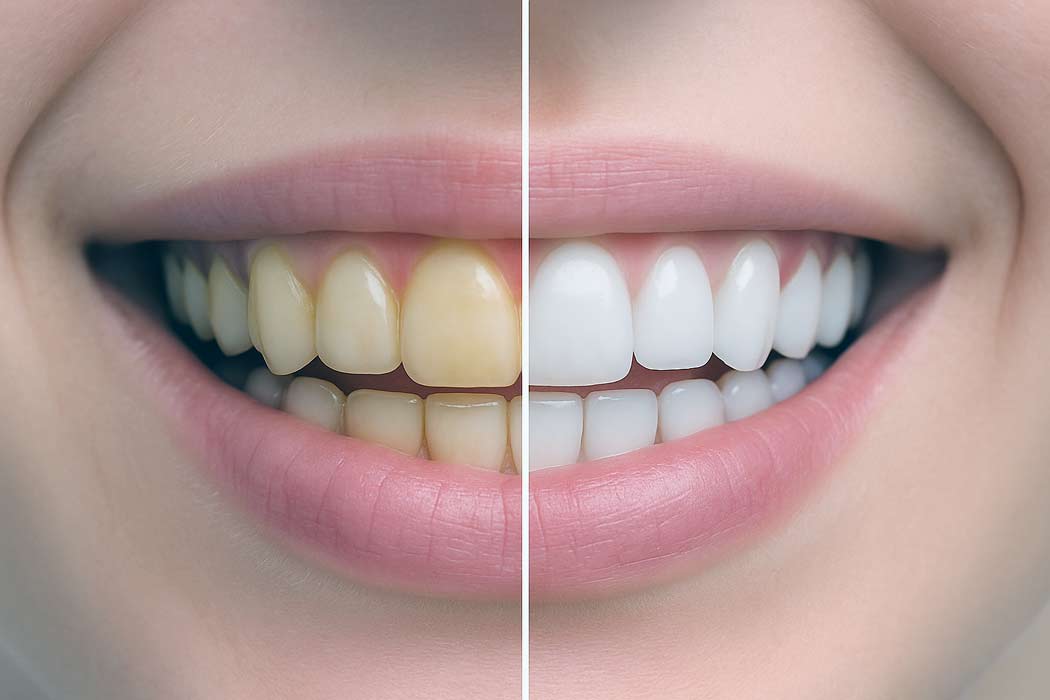
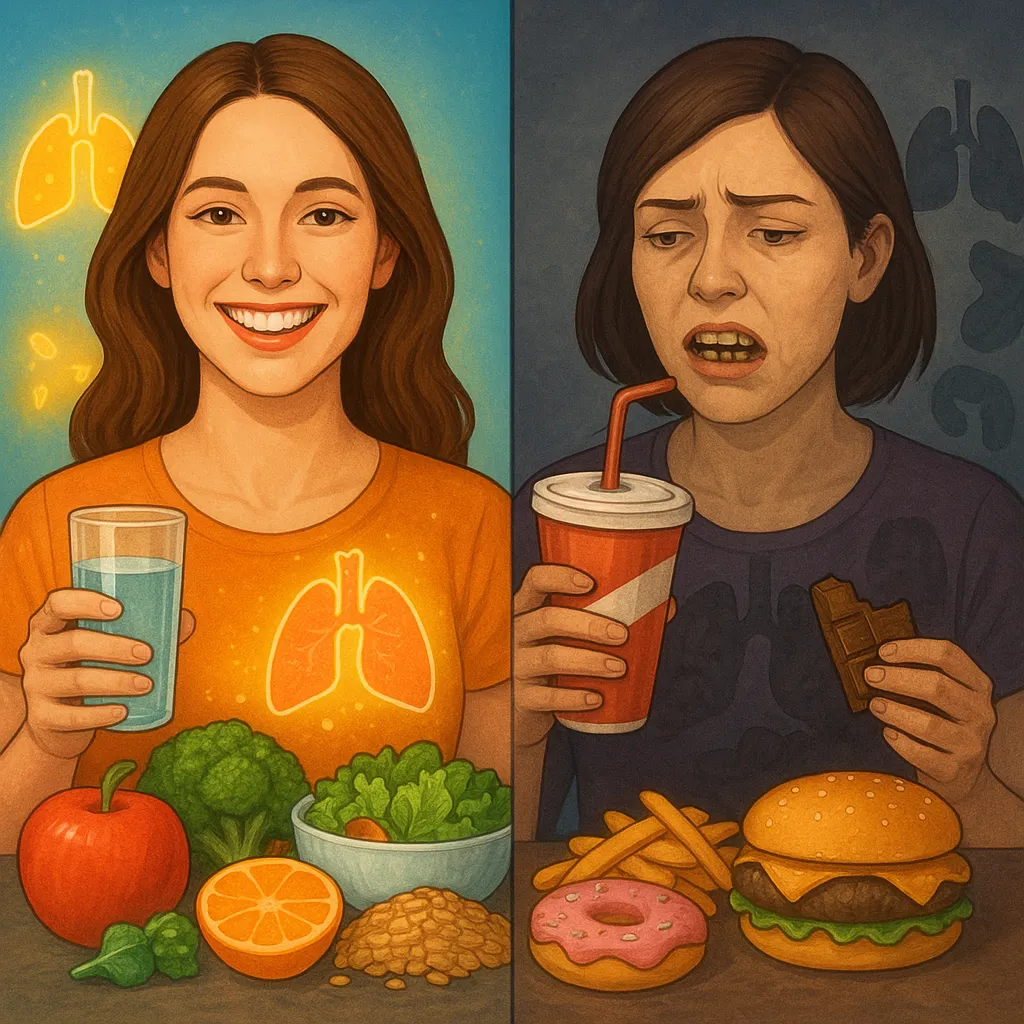
Direct Answer: Your diet has a powerful impact on both your overall health and your oral health. The nutrients you consume not only influence your body’s systems, like your immune and cardiovascular health, but also directly affect your teeth and gums by promoting strong enamel or causing tooth decay. Making smart dietary choices helps prevent chronic diseases and supports a healthy mouth.
Definition:
Diet refers to the types and amounts of food and drink consumed daily. Oral health covers the well-being of the teeth, gums, and entire mouth, while overall health encompasses the body’s complete physical and mental functioning.
How Does Diet Influence Your Whole Body and Mouth?
People often wonder, “Does what I eat really affect my teeth and my whole body?” The answer is, absolutely! Both short-term choices (like sugary snacks) and long-term dietary habits play significant roles in determining your risk for chronic disease as well as dental issues. Here’s how:
Systemic effects: Diet provides nutrients for the body’s major systems (immune, cardiovascular, musculoskeletal, etc.) and can prevent or worsen illnesses such as diabetes or heart disease.
Oral-specific effects: Certain foods and drinks directly affect tooth integrity, gum health, and the bacteria present in the mouth.
What Is the Connection Between Diet, General Health, and Oral Health?
Your mouth is the gateway to your body. Poor nutrition can lead to problems like:
Weakening your immune system, making you more prone to gum disease (periodontitis)
Insufficient calcium and vitamin D, leading to bone loss—impacting both jawbone strength and body health
High sugar intake, which fuels harmful bacteria in the mouth and leads to tooth decay, cavities, and systemic inflammation
Why Do Nutrients Matter for Health?
Nutrient
Overall Health Role
Oral Health Role
Calcium
Bone strength, muscle function
Teeth/jawbone structure
Vitamin D
Calcium absorption, immune support
Bone and tooth mineralization
Vitamin C
Tissue repair, antioxidant defense
Gum health, wound healing
Protein
Muscle, skin, immune health
Repair of oral tissues
Water
Hydration, metabolic function
Saliva production, cleans mouth
What Foods Are Good for Both Overall and Oral Health?
It’s helpful to know which foods promote holistic health, benefiting both your body and mouth:
Dairy products: Like milk, cheese, and yogurt, provide calcium and phosphates for bone and tooth strength.
Lean proteins: Chicken, fish, beans, and eggs help rebuild tissue and fight infections.
Vegetables and fruits: Especially leafy greens and fibrous fruits, offer vitamins, minerals, and antioxidants that protect gum tissues and general well-being.
Nuts and seeds: Almonds, walnuts, and chia seeds are sources of healthy fats and micronutrients.
Water: Keeps you hydrated, helps saliva wash away food particles, and maintains metabolic functions.
What Foods Can Harm Both Oral and General Health?
Some foods and drinks raise risks for both dental issues and systemic disease:
Sugary drinks and snacks: Soda, fruit juices, candy, and desserts feed mouth bacteria and cause cavities; also can spike blood sugar levels and promote weight gain.
Refined carbohydrates: White bread, pasta, crackers, and chips increase acidity in the mouth and contribute to inflammation in the body.
Alcohol: Excessive intake dries out the mouth, weakens the liver, and increases cancer risk (including oral cancer).
Processed meats: High in salt and nitrites, linked to cardiovascular disease and oral cancers.
How Does a Poor Diet Impact Teeth, Gums, and the Body?
Multiple question variations ask: “How does an unhealthy diet affect your mouth and body?” or “What happens if you don’t eat right?” Poor nutrition can quickly lead to:
Increased risk of cavities, tooth decay, and gum disease due to high sugar and acidic foods
Slower recovery from injury or surgery, including dental work
Low energy, brain fog, or poor focus due to insufficient nutrients
Greater susceptibility to infections, diabetes, and cardiovascular disease
Chronic inflammation, which is linked to both periodontal (gum) disease and systemic diseases
How Are Oral Health and General Health Connected?
Oral and systemic health are closely linked through the concept of the “oral-systemic connection.” For example, gum disease can raise the risk of diabetes and heart disease, while conditions like diabetes can increase the likelihood of mouth infections and slow healing.
Inflammation links: Chronic oral inflammation can contribute to systemic inflammation.
Shared risk factors: Poor diet, smoking, and excessive alcohol are risk factors for both poor oral and overall health.
What Practical Changes Can You Make for Better Oral and Overall Health?
Wondering what you can do right now? Try these actions:
Eat more whole foods—fruits, vegetables, lean proteins, and low-fat dairy.
Limit sugary drinks, snacks, and alcohol.
Drink plenty of water throughout the day.
Chew sugar-free gum to boost saliva and wash away acids.
Brush and floss daily to remove food particles and prevent bacterial growth.
Entity-Based Overview: Related Topics and Context
Entities: Diet, Nutrition, Teeth, Gums, Immune System, Bacteria, Vitamins, Minerals, Sugars, Inflammation
Modern research in fields like nutrition science, oral medicine, and public health continues to confirm the strong relationship between dietary patterns and both general health and oral health outcomes.
FAQ: People Also Ask
Can a poor diet cause gum disease?
Yes, a diet lacking in essential nutrients—especially vitamin C—can weaken gum tissues and make them more susceptible to infection and inflammation, leading to gum disease.
How quickly can a bad diet affect your teeth?
Frequent consumption of sugary or acidic foods can begin damaging enamel almost immediately, and cavities may develop over a few months if poor habits continue.
Are there specific diets that are best for both oral and overall health?
Diets rich in whole foods such as the Mediterranean diet or DASH diet are associated with better oral and general health outcomes due to their focus on vegetables, fruits, whole grains, and lean protein.
Does drinking water help protect my teeth?
Absolutely! Water helps rinse away food particles and bacteria, neutralizing acids and supporting saliva production—crucial for oral health and hydration.
Does sugar-free gum help protect against tooth decay?
Chewing sugar-free gum stimulates saliva production, which neutralizes acids and helps prevent tooth decay, although it isn’t a substitute for brushing and flossing.
Can what I eat help with bad breath?
Yes, eating crunchy fruits and vegetables can help clean teeth and improve breath, while avoiding foods like garlic, onions, and sugars minimizes bad breath-causing compounds.
Do vitamins or supplements improve oral health?
When taken as part of a balanced diet, vitamins like D, C, and calcium support both oral and overall health, but supplements should be used under medical guidance if you have deficiencies.
Summary: Key Takeaways
Your daily food and drink choices impact every part of your health—mouth included.
Balanced nutrition strengthens your immune system, bones, and helps prevent disease.
Good dietary habits prevent cavities, gum disease, and help you feel better overall.
Choosing foods that support your mouth also supports your whole body—and vice versa. For the best results, focus on a balanced diet while keeping up regular oral hygiene routines.
“`