How Can a Dentist Help You Improve Your Oral Health and Maintain Good Mouth Hygiene?
How Can a Dentist Help You Improve Your Oral Health and Maintain Good Mouth Hygiene?
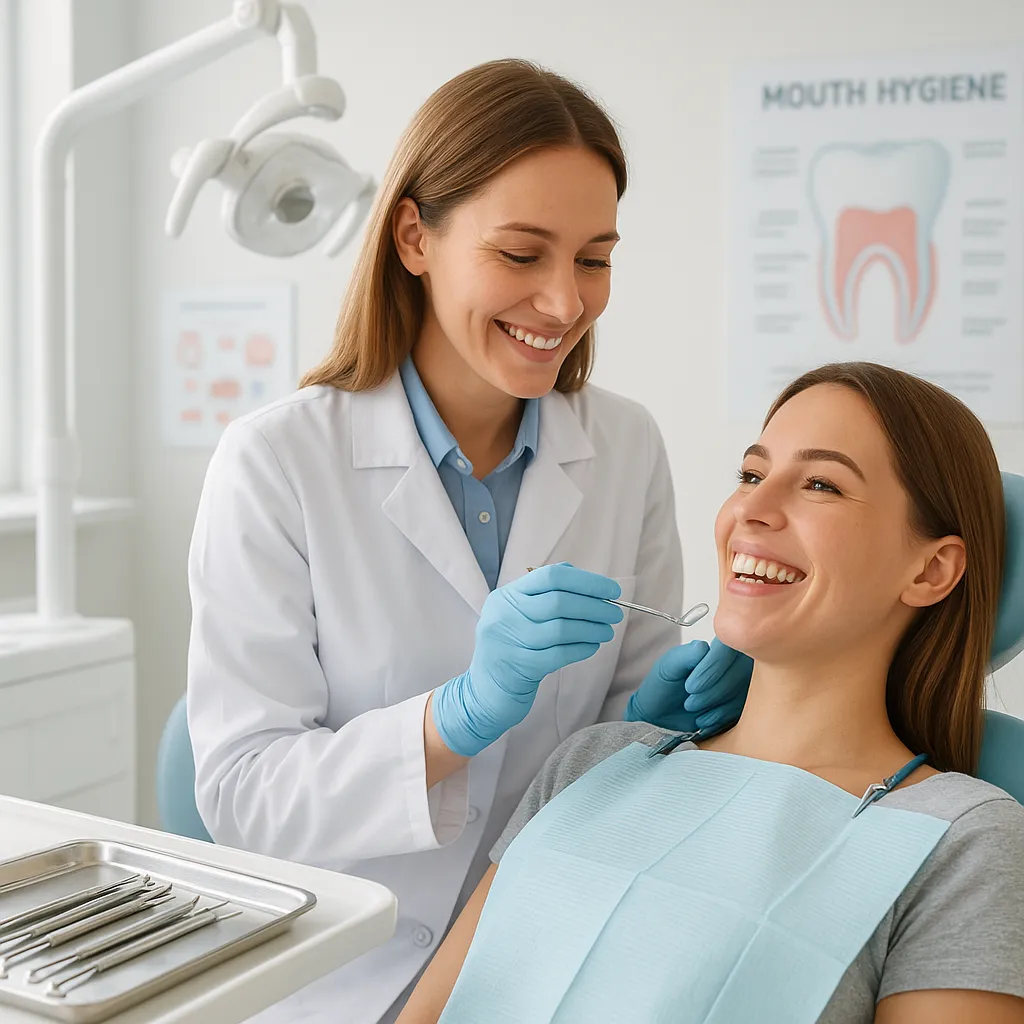
A dentist improves your oral health by diagnosing, preventing, and treating dental issues, while also providing personalized advice to maintain good mouth hygiene. Through professional cleanings, exams, and education, dentists help you keep your teeth and gums healthy and prevent future problems. Regular dental care is essential for overall well-being and a confident smile.
What Does a Dentist Do for Oral Health?
Definition: A dentist is a licensed healthcare professional who specializes in preventing, diagnosing, and treating diseases and conditions of the teeth, gums, and mouth to maintain oral health and hygiene.
Dentists perform check-ups, cleanings, fill cavities, apply sealants, treat gum disease, and guide patients on the best oral care practices. Their expertise extends to identifying issues early and providing targeted interventions to avoid complications.
How Does Visiting a Dentist Contribute to Good Mouth Hygiene?
Regular dental visits are key for maintaining mouth hygiene and preventing dental problems. Dentists have specialized tools and knowledge to remove tartar, spot early signs of decay or gum disease, and suggest the most effective at-home care routines.
What Are the Key Ways a Dentist Helps Improve Oral Health?
Professional Cleanings: Remove plaque and tartar buildup that brushing and flossing can’t eliminate.
Dental Examinations: Detect cavities, gum disease, oral cancer, and other issues at an early stage.
Preventive Treatments: Fluoride applications and dental sealants strengthen enamel and reduce cavity risk.
Personalized Hygiene Advice: Tailored recommendations for brushing, flossing, and diet to suit your needs.
Restorative Procedures: Fillings, crowns, and other treatments to repair damaged teeth.
Education: Teach proper brushing, flossing, and mouthwash techniques for best results at home.
Periodontal Care: Address gum issues before they become severe, including deep cleanings and monitoring gum health.
Overall Health Monitoring: Watch for signs of conditions like diabetes or oral cancer that appear in the mouth.
Why Is Dental Hygiene Important for Overall Health?
Good dental hygiene is strongly connected to overall health. Poor oral care can lead to gum disease, tooth loss, infection, and is linked to diabetes, heart disease, stroke, and pregnancy complications. Dentists play a crucial role in reducing these risks by keeping your mouth healthy.
How Is a Dental Visit Different from At-Home Oral Care?
Aspect
Dental Visit
At-Home Care
Tools Used
Professional scalers, polishers, X-rays
Toothbrush, floss, mouthwash
Action
Deep cleaning, exams, treatments
Daily brushing and flossing
Frequency
Every 6 months (or as advised)
2-3 times daily
Expertise
Licensed dental professionals
Individual/caregiver
When Should You Visit a Dentist?
You should schedule dental visits at least twice a year for regular check-ups and cleanings. Immediate appointments are recommended if you experience pain, swelling, bleeding gums, loose teeth, or any changes in your mouth. Dentists also offer guidance during life stages like pregnancy, childhood, or after surgery.
Signs It’s Time to See the Dentist
Persistent toothache or sensitivity
Bleeding, swollen, or receding gums
Difficulty chewing or biting
Loose or missing teeth
Sores or ulcers that don’t heal
Chronic bad breath
What Preventive Strategies Do Dentists Use?
Dentists focus on prevention through regular exams, professional cleanings, hygiene instruction, dietary counseling, sealants, and fluoride treatments. These strategies stop minor issues from turning into major dental problems.
Exams & Screenings: Keep track of changes in teeth, gums, and tissues.
Sealants: Protect molars from cavities, especially in children and teens.
Fluoride: Strengthen enamel against decay.
Education: Guidance on effective oral care routines.
How Do Dentists Personalize Oral Health Advice?
Every patient is unique. Dentists assess your oral health, lifestyle, medical history, and risks (like smoking or diabetes), and then recommend tailored oral care routines, dietary changes, and product choices (toothpaste, brushes, floss type) to improve your hygiene and health outcomes.
What Else Can a Dentist Help With?
Beyond basic oral care, dentists provide treatments for dental emergencies, cosmetic improvements (such as whitening, orthodontics), and guidance on habits like teeth grinding (bruxism) or tobacco cessation. They coordinate with other health professionals if issues detected in your mouth indicate systemic concerns.
What Other Professionals Support Oral Health?
Dentists work alongside dental hygienists, dental assistants, periodontists (gum specialists), orthodontists (braces), oral surgeons, and pediatric dentists. Your oral health team may include all these experts, depending on your needs.
Question Variations: How Else Might People Ask?
How can a dentist help maintain healthy teeth and gums?
What does a dentist do for oral hygiene?
How do regular dental visits benefit my mouth health?
What can a dentist do to improve dental hygiene?
Why is it important to see a dentist for oral care?
How often should I see my dentist for dental health?
FAQ: Oral Health and Dentists
How often should I visit the dentist?
Most people should see their dentist every 6 months for check-ups and cleanings, but some may need more frequent visits depending on their oral health.
Can a dentist prevent cavities and gum disease?
Yes, dentists use cleanings, sealants, fluoride, and personalized advice to help prevent cavities and gum disease before they start.
What happens during a dental cleaning?
A professional cleaning removes plaque and tartar, polishes teeth, and helps prevent cavities and gum problems. Hygienists may also provide tips for better at-home care.
Is professional dental care necessary if I brush and floss daily?
Absolutely. Some areas are hard to clean at home, and dentists can spot problems early before they become serious.
What are signs I should see the dentist immediately?
Seek prompt care for persistent pain, swelling, bleeding, loose teeth, or sores that don’t heal.
How do dentists help with sensitive teeth?
Dentists identify causes of sensitivity and offer treatments like desensitizing agents, fluoride, or advice on avoiding triggers.
Can dentists help improve my breath?
Yes, dentists diagnose and treat underlying causes of bad breath, such as gum disease or decay, and advise on proper hygiene.
Summary: Why Partnering with Your Dentist Matters
Dentists are essential allies in preserving oral health and ensuring lifelong good mouth hygiene. By combining professional expertise, modern technology, and personalized care, they empower you to maintain a healthy smile, prevent serious issues, and support your overall well-being. Regular dental visits and following your dentist’s advice are the keys to optimal oral health.
“`