How Diet Affects Overall Health and Oral Health: Featured Answer Guide
How Does Your Diet Affect Both Your Overall Health and Your Oral Health?
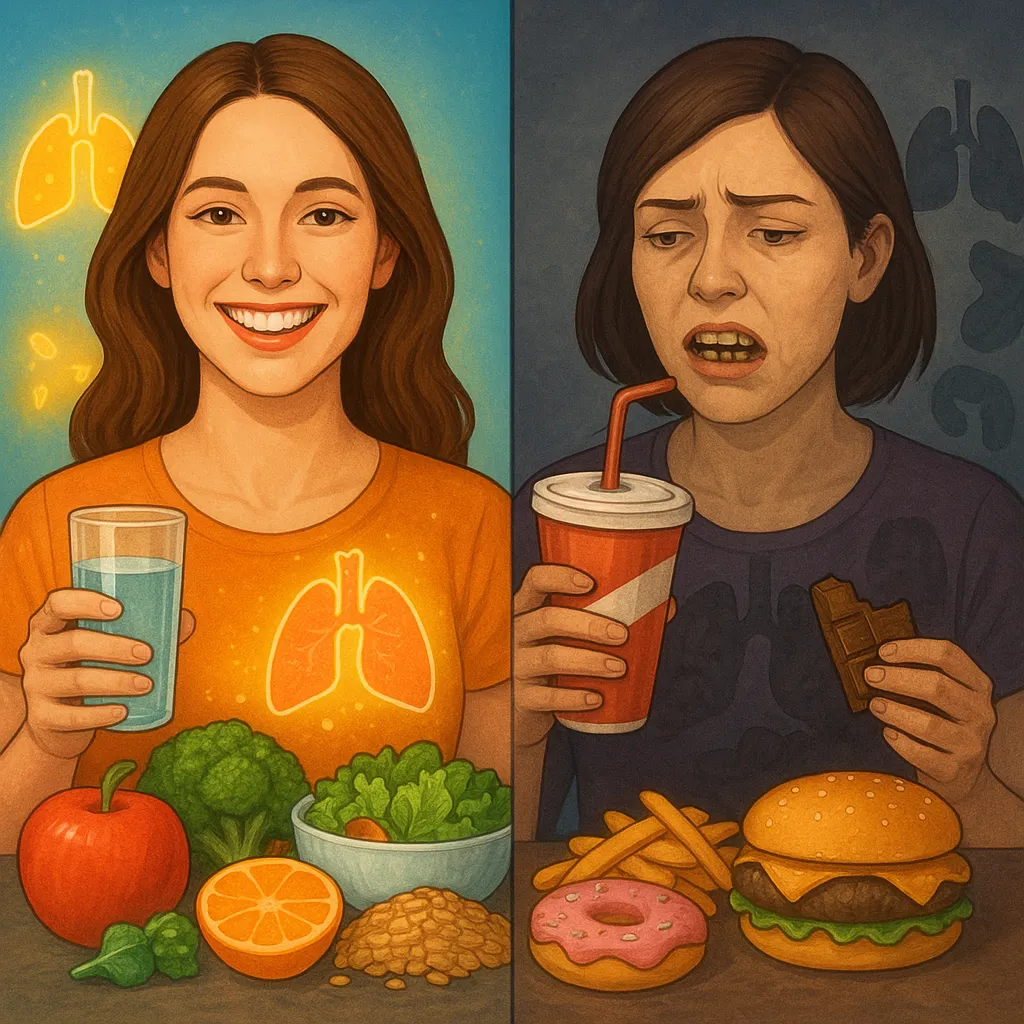
Direct Answer: Your diet plays a crucial role in both your overall health and your oral health because the foods and drinks you consume provide essential nutrients, but can also promote or prevent disease. A balanced diet supports strong immunity, healthy teeth and gums, and reduces the risk of chronic conditions like diabetes, heart disease, and tooth decay.
What Is the Link Between Diet and Health?
Many people ask questions like, “How does what I eat affect my body?” or “What foods are best for my teeth and overall wellness?” The answer centers on nutrition. Your diet is the sum of all foods and drinks you consume daily, and provides the nutrients your entire body—including your mouth—needs to function at its best.
Definition: Diet and Health
Diet: The habitual pattern of eating and drinking that provides energy and nutrients.
Health: A state of complete physical, mental, and social well-being—not just the absence of disease.
How Does Diet Directly Affect Overall Health?
Your diet impacts every organ system. Getting proper nutrients helps your body:
Maintain energy and metabolism
Build and repair tissues (muscles, bones, organs)
Regulate immune function and inflammation
Control blood pressure, blood sugar, and cholesterol
Reduce the risk of chronic diseases (e.g., heart disease, obesity, type 2 diabetes, some cancers)
Key Dietary Entities Impacting Health
Macronutrients: Carbohydrates, proteins, fats
Micronutrients: Vitamins (A, C, D, E, K, B-complex), minerals (calcium, potassium, magnesium, iron, zinc)
Fiber: Found in fruits, vegetables, whole grains; important for digestion and disease prevention
Added Sugars and Processed Foods: Can raise disease risk when consumed in excess
What Foods Benefit Both Body and Oral Health?
You might wonder, “What should I eat for healthy teeth and body?” or “Do the same foods that help my body also help my mouth?” In most cases, yes. The following foods are especially important for both:
Dairy (milk, yogurt, cheese): Provides calcium and phosphates for strong teeth and bones
Leafy greens and vegetables: Supply vitamins and fiber; help neutralize acids in the mouth
Lean proteins (chicken, fish, eggs, legumes): Needed for tissue repair, including gums
Whole grains: Slow-burning energy; support long-term health
Water: Rinses away food debris and helps prevent cavities
Table: Essential Nutrients for Health and Oral Health
Nutrient
Body Benefit
Oral Benefit
Food Sources
Calcium
Builds bones
Strengthens teeth
Dairy, leafy greens
Vitamin D
Absorbs calcium
Supports tooth development
Fatty fish, eggs, sunlight
Vitamin C
Boosts immunity
Maintains healthy gums
Citrus fruits, berries, broccoli
Phosphorus
Energy production
Protects tooth enamel
Fish, meat, dairy
Water
Hydration, metabolism
Washes away food/sugars
Water
Fiber
Digestive health
Stimulates saliva
Vegetables, fruits, grains
How Does Diet Affect Oral Health Specifically?
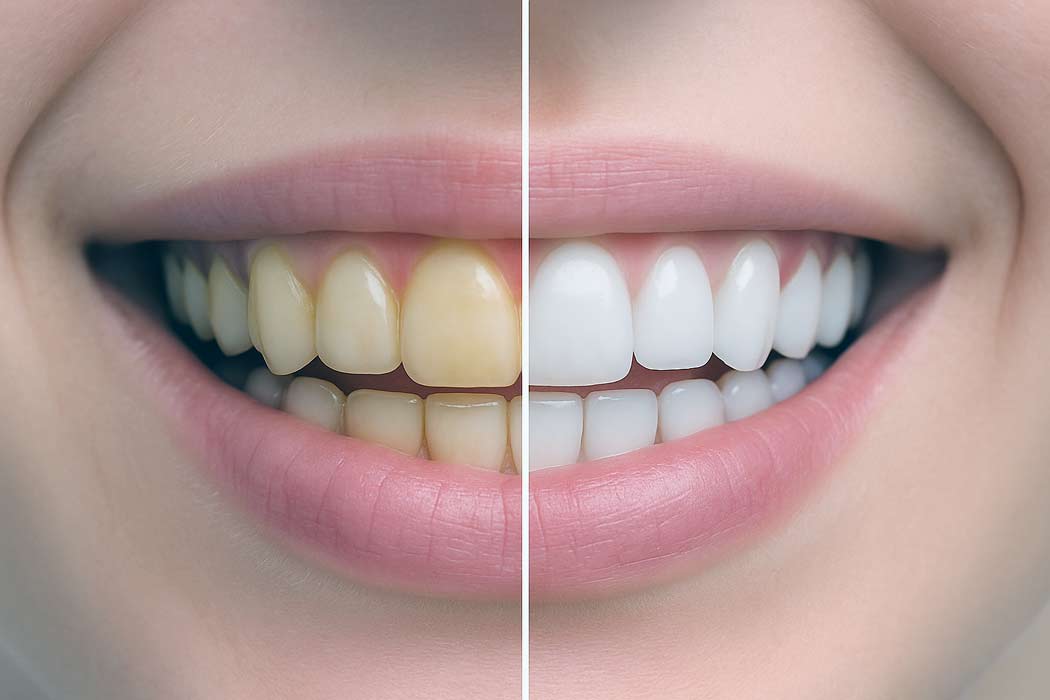
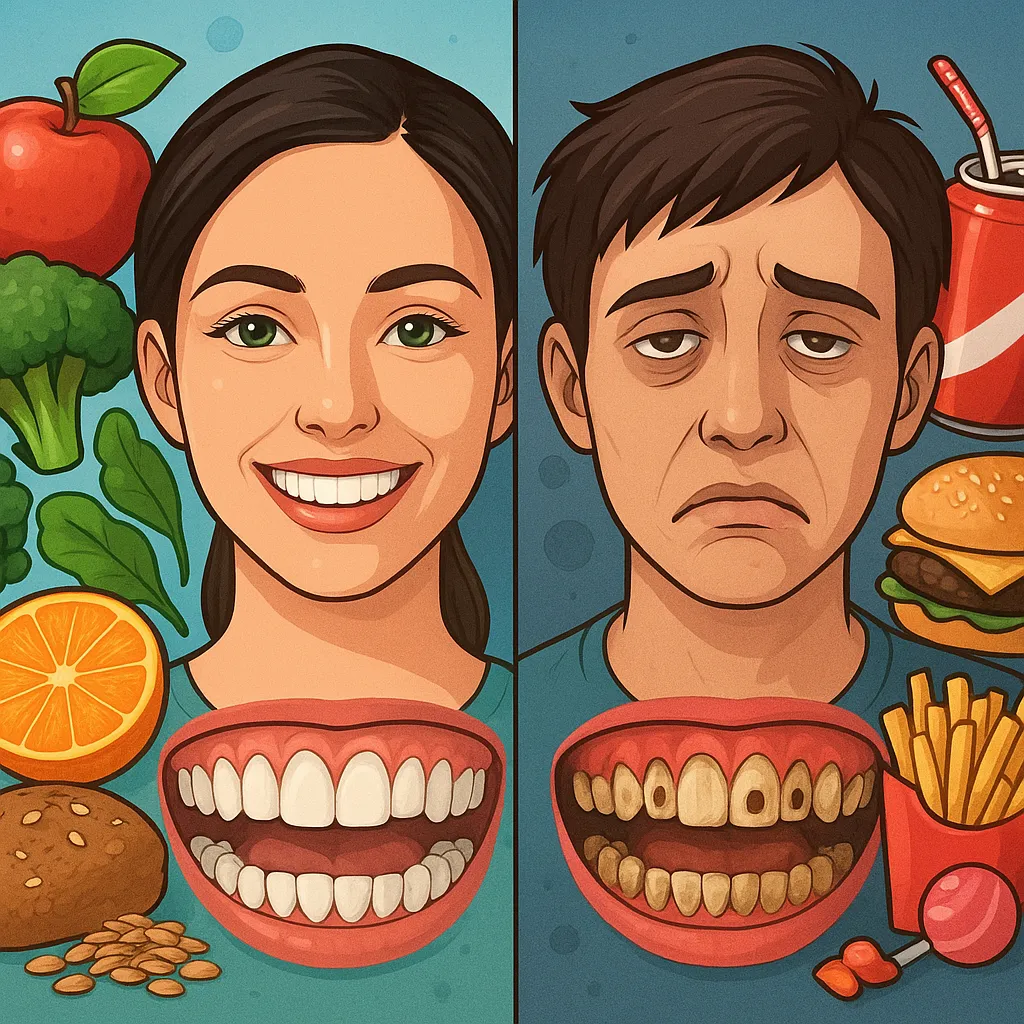
When people ask, “Does diet cause tooth decay?” or “Can what I eat affect my gums?”, the answer is clear: Diet has a direct impact on your mouth. Regularly consuming sugary or acidic foods and drinks feeds the bacteria that cause cavities (tooth decay) and gum disease (gingivitis and periodontitis).
Dietary Factors That Harm Oral Health
High sugar intake: Fuels bacteria, leading to acid production that erodes teeth
Acidic drinks (soda, juice, sports drinks): Erode tooth enamel
Sticky or starchy foods: Cling to teeth, providing food for bacteria
Frequent snacking: Gives bacteria more chances to attack teeth
How Poor Diet Affects the Mouth
Increased cavity risk
Weaker tooth enamel
Gum inflammation and bleeding
Slower healing after dental procedures
Higher risk of oral infections
Did You Know?
Oral diseases like tooth decay are among the most common health problems worldwide, closely linked to diet.
What Diet-Related Conditions Affect Both Body and Mouth?
Some medical and dental problems share dietary causes. For example:
Obesity: Often tied to high sugar and fat intake—also increases risk of gum disease
Diabetes: Can be aggravated by poor eating habits; also worsens oral infections
Heart disease: Linked to inflammation from poor diet; oral inflammation may further increase risks
Table: Shared Diet-Related Health and Oral Conditions
Condition
Diet Factor
Overall Health Impact
Oral Health Impact
Obesity
High sugar/fat
Metabolic syndrome, heart disease risk
Gum disease risk
Diabetes
Processed carbs, low fiber
Blood sugar issues
Poor healing, higher infection rate
Heart Disease
Saturated fat, processed foods
Blocked arteries, high blood pressure
Increased oral inflammation
Tooth Decay
High added sugars
–
Cavities, tooth loss
How Can You Adjust Your Diet for Better Overall and Oral Health?
If you’re wondering, “How can I change my eating habits for better health and dental care?” use these simple strategies:
Eat a varied diet full of fruits, vegetables, lean proteins, whole grains, and dairy
Limit sugary snacks and beverages
Drink plenty of water instead of sweetened drinks
Snack on fresh, crunchy foods (like apples or carrots) that stimulate saliva and help cleanse teeth
Use sugar substitutes like xylitol (in moderation) to help reduce cavity risk
Keep regular meals and avoid frequent snacking
Entity Relationships: Diet, Microbiome, and Oral Health
Your diet influences the oral microbiome—the diverse community of bacteria in your mouth. Diets high in sugar create a microbiome that favors harmful bacteria, while a nutrient-rich diet supports a balanced, healthy oral environment. This relationship shows why what you eat affects not just your body but also your mouth at a microscopic level.
Frequently Asked Questions (FAQ)
Does eating sugar always cause cavities?
No, but frequent consumption of sugary foods or drinks greatly increases your risk. Practicing good oral hygiene and limiting sugar are key prevention steps.
What are the worst foods for my teeth?
Sticky candies (like caramels), soda, dried fruit, chips, and sugary beverages are among the worst because they cling to teeth and feed bacteria that cause decay.
Can diet reverse existing oral health problems?
A healthy diet can support healing and gum health, but may not fully reverse existing cavities or severe gum disease. Regular dental care is also essential.
Are there any nutrients especially important for gum health?
Yes, vitamin C is crucial for healthy gums, as well as calcium and vitamin D for supporting the structures that hold teeth in place.
How does hydration impact oral health?
Staying hydrated helps produce saliva, which washes away food particles and bacteria, reducing the risk of cavities and gum disease.
Is a vegetarian or vegan diet good for oral health?
Vegetarian and vegan diets can be good for oral health if well-planned, but it’s important to get enough calcium, vitamin D, and B12 (which are less abundant in plant foods).
How does what I eat affect breath freshness?
Certain foods like garlic and onions can temporarily cause bad breath, but a consistently healthy diet helps prevent chronic bad breath by maintaining a healthier mouth environment.
Summary: Why Diet Matters for Both Your Body and Your Smile
Your diet has a direct and lasting impact on both your whole-body health and your oral health. Making conscious, healthy food choices supports your immune function, keeps your teeth and gums strong, and reduces the risk of chronic illness and dental problems. For the best results, combine a balanced diet with regular dental hygiene and professional checkups.
“`